An account of the origins of Casentino wool cloth, as told by historian and archaeologist Professor Armando Cherici.
History is often written into the landscape—especially in places where the landscape and history have together given rise to life and culture.
Such is the case in the Casentino, a land well known to Dante, who, in his masterpiece, recalled “the little streams that from the green hills / …descend down into the Arno.” In just two lines, the great poet manages to encapsulate an entire landscape, a whole history, an entire culture, and an entire economy—elements that remain as vibrant today as they were back then.
The green hills and expansive meadows that crown this region were, from spring through autumn, home to thriving flocks—flocks that, for centuries, provided what was once a true “white gold”: wool. In an era when protection against the elements was vital—and far more challenging than it is today—spun wool yielded fabrics that offered excellent defense against the cold, even when soaked by rain. Furthermore, to guard against rain and snow, Casentino wool fabrics underwent mechanical processes that rendered them waterproof. The energy required for this lengthy treatment was harnessed from the flow of those very streams and the Arno River itself. It was a virtuous symbiosis—a synergy that made the Casentino a source of wealth for the most significant industry in the city that, in turn, used its prosperity to give birth to Humanism and the Renaissance: Florence.
The *Arte della Lana* (the Guild of Wool)—the most powerful of Florence’s “industries” since the time of Dante—brought prosperity, and consequently culture, to the Casentino. Indeed, the dense network of Romanesque parish churches, along with the works of art housed within them, stands as a testament to a once-thriving land. An entire sanctuary—La Verna—was funded by the *Arte della Lana* (the Wool Guild of Florence), as was the splendid series of works by the Della Robbia family; in fact, there are more of these pieces in the Casentino region than in Florence itself, the city where the Della Robbia workshop was based.
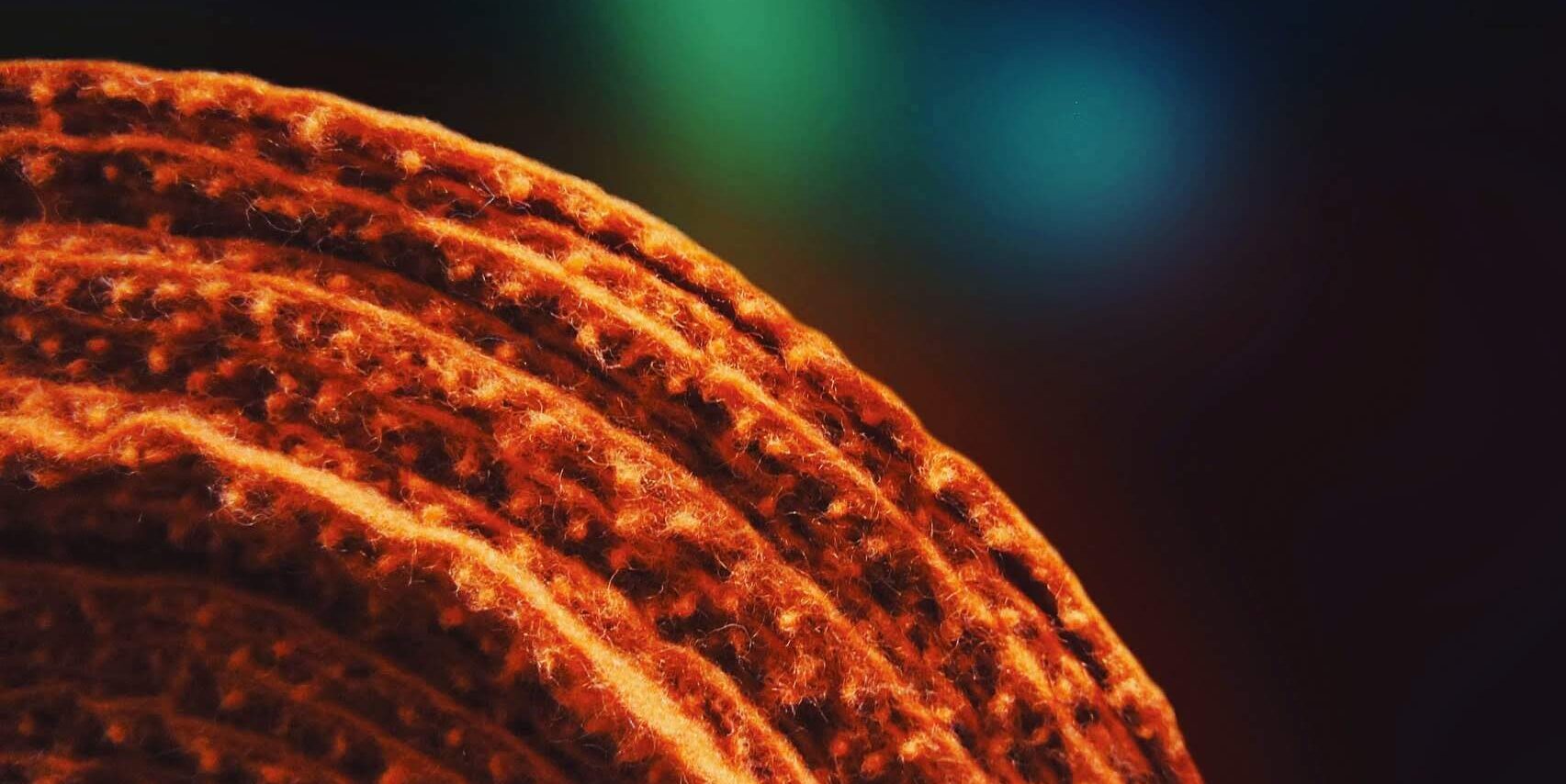
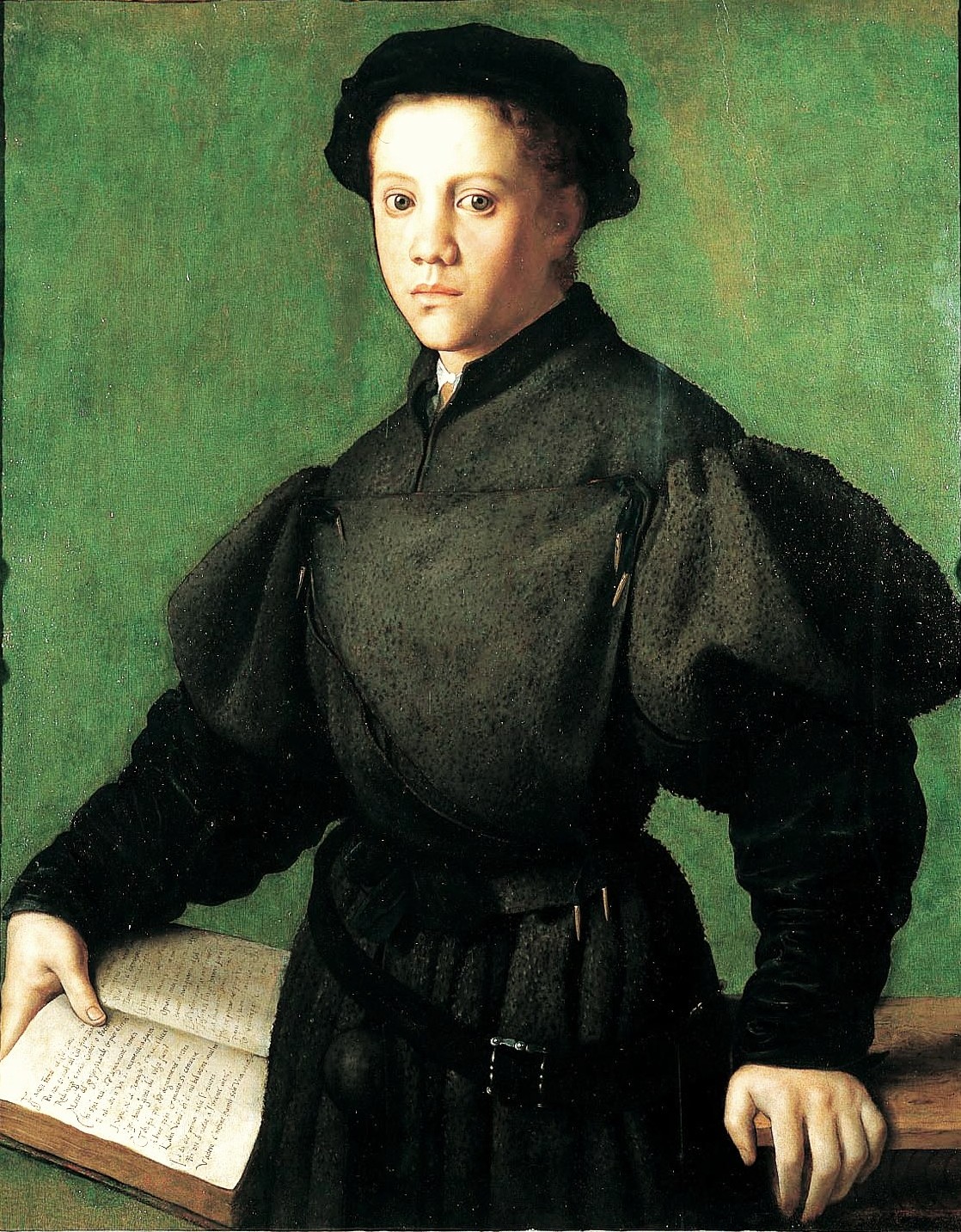
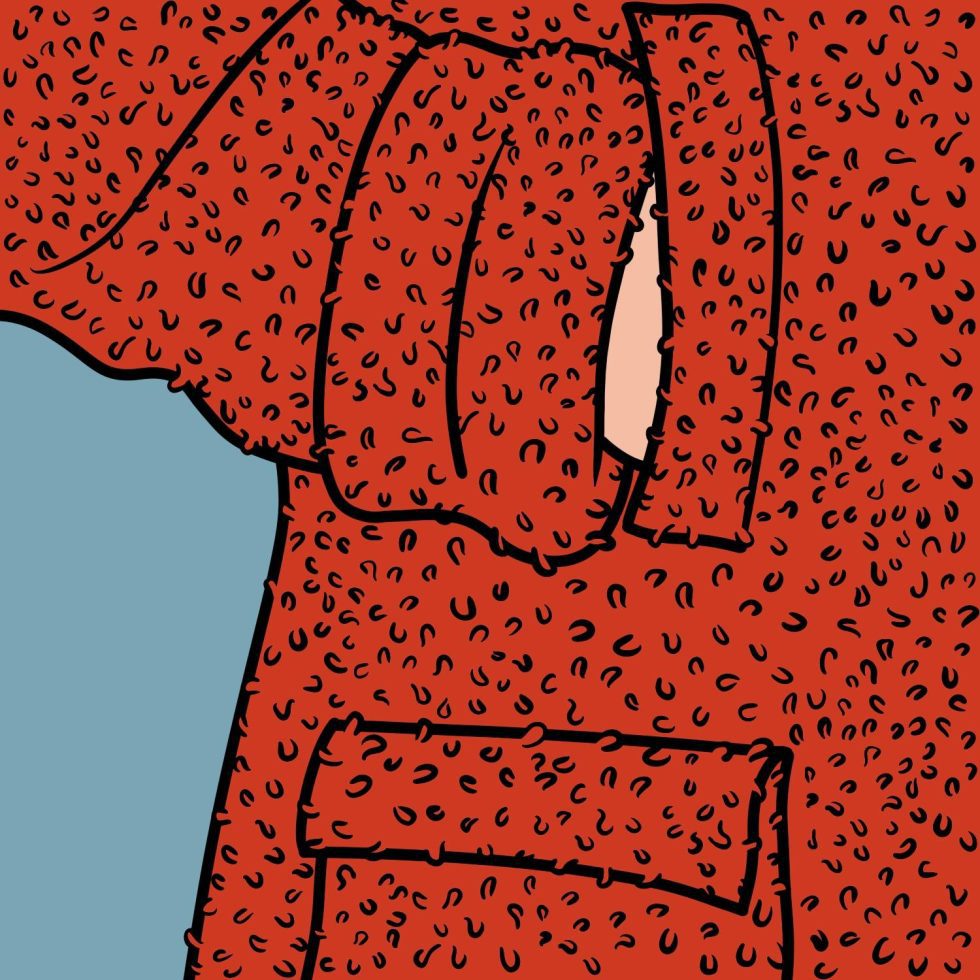
In the past, Casentino wool fabric was worn by the nobility. The quality of the wool, combined with a unique finishing process—*rattinatura* (friezing)—powered by the energy of local streams, caused the surface fibers to clump into small curls. Beyond their distinctive and pleasing appearance, these curls create tiny air pockets that—then as now—trap body heat, making the fabric warm, durable, and partially water-resistant. These curls were proudly displayed on the garments of the ruling class; they were even meticulously captured in portraits, such as the early 16th-century painting by Agnolo Bronzino of the humanist Lorenzo Lenzi. Look closely at the chest area and the curls on the shoulder, which are deliberately highlighted against a light, uniform background.
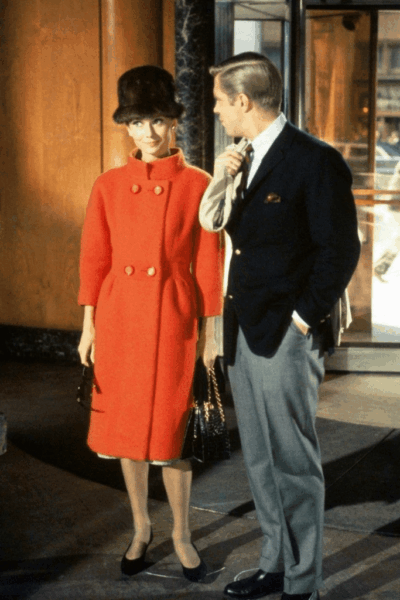
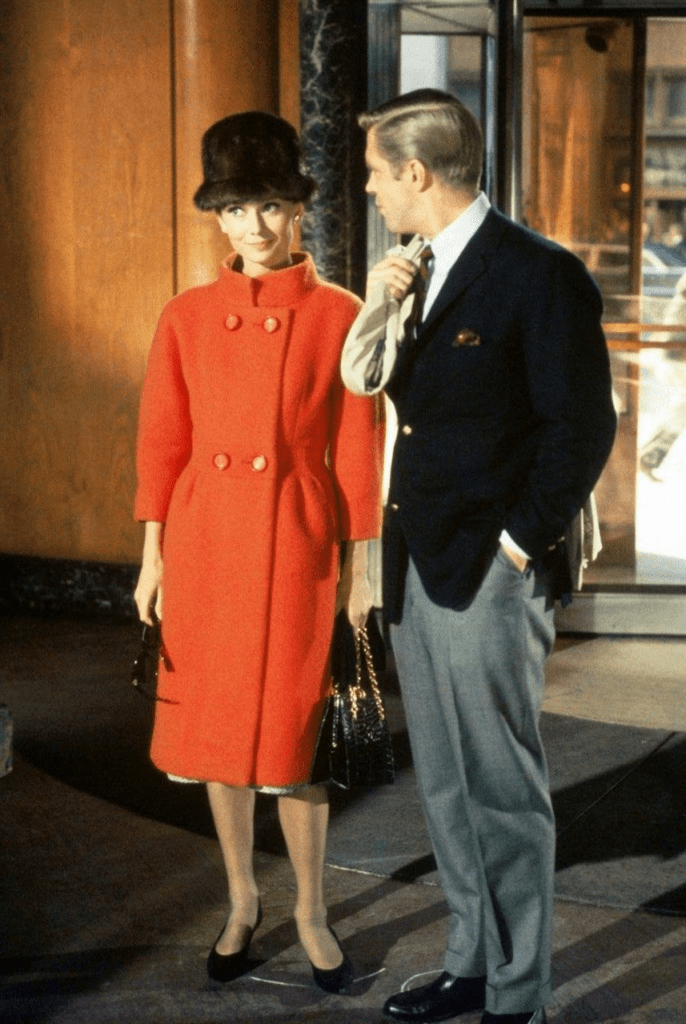
This is just one chapter in the long history of a fabric that, in the modern era, evokes the Middle Ages through its robust, tangible quality. Piero Gherardi, the brilliant costume designer for the cult film *L’armata Brancaleone* (“For Love and Gold”), used fabric purchased in Stia—specifically from TACS—to dress his characters. Yet, this textile also speaks to the contemporary world and the realm of fashion: around the same time, cinema showcased Casentino wool on the very embodiment of elegance, Audrey Hepburn. In *Breakfast at Tiffany’s*, she wears a small coat—designed by Hubert de Givenchy—that became iconic for both its cut and its color.
A fabric, a territory, and history—all elements that we can literally touch in Casentino wool, and which we can still experience firsthand in the Casentino region today.